
Myth Busting
Page updated: 04/03/2026
Here we answer some misconceived questions around climate change. This is a great place to learn a little more and widen your knowledge.

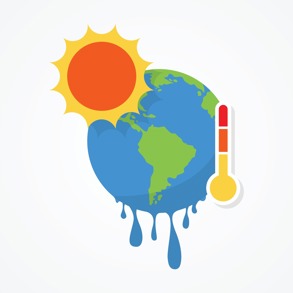
Not quite – global warming causes climate change. Global warming describes how much the Earth’s surface temperature is rising. This warming influences average weather conditions which is known as climate change.
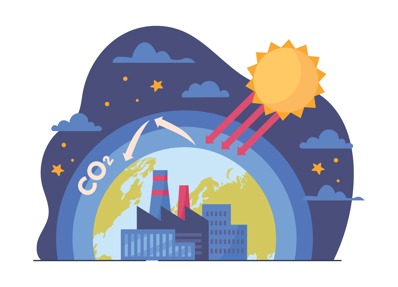
The Earth’s climate has always changed naturally over time. However, today it is shifting at an unprecedented rate due to human induced climate change, primarily caused by the excessive burning of fossil fuels. These rapid changes are creating dangerous conditions that both natural systems and human societies are unable to adapt quickly enough to. A prime example is the increase in extreme weather events which pose a significant threat to communities and ecosystems alike.
Your carbon footprint is the amount of greenhouse gases that are released into the atmosphere from your everyday activities.
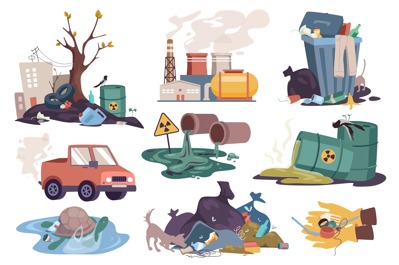
Pollution is the introduction of harmful substances or energy into the environment in quantities that damage ecosystems, human health, and natural processes and there are four main types:
- Air Pollution
This is contamination of the air by gases, chemicals, or particles which is mainly from burning fuels (e.g. coal, oil, natural gas, wood), industrial processes and vehicles.
These gases and particles have a direct effect on climate change as they contribute to the greenhouse effect. They can also cause acid rain which damages forests soils and freshwater ecosystems. Poor air quality is the largest environmental risk to public health in the UK, where long term exposure can cause heart and lung diseases, leading to reduced life expectancy. It can also be damaging to animals and reduces plant growth.
- Water pollution
This is the contamination of water bodies such as rivers, lakes, oceans and groundwater, with chemical fertilisers, plastics, sewage, oil, pharmaceuticals, pesticides, manure and industrial waste etc. Pollution in water is harmful to aquatic life, for example causing processes like eutrophication to occur which increases the growth of organisms like algae in the water. This depletes the amount of oxygen in the water and often leads to the death of all other organisms, such as fish and the invertebrates they depend upon. Pollutants in the water also directly harm wildlife, for example, plastic can injure or kill animals, and toxic chemicals can poison marine life. Polluted water can also spread diseases which are harmful to human health.
- Soil (land) pollution
Soil (land) pollution refers to the presence of harmful substances in soil at concentrations that may pose risks to human health, ecosystems, or the environment. It can occur through activities such as industrial processes, waste disposal, fuel storage, the use of certain chemicals, and historical land uses.
Contaminated soil does not always prevent plants from growing; however, depending on the type and level of contamination, it can affect soil health, reduce biodiversity, and introduce harmful substances into the environment. Risks to people can arise where contaminants enter the food chain, are ingested directly, or where dusts and gases from the ground are inhaled.
Healthy soils play an important role in tackling climate change. They store large amounts of carbon, regulate water flow, and support vegetation that absorbs carbon dioxide from the atmosphere. When soils are polluted or degraded, their ability to store carbon and support ecosystems can be reduced, which may worsen the impacts of climate change.
Protecting and improving soil quality therefore supports both environmental health and climate resilience, helping to safeguard food production, biodiversity, and human wellbeing.
- Noise pollution
This is excessive or harmful levels of sound in the environment. Prime examples are traffic, loud machinery and aircraft. Noise pollution be harmful to humans causing anxiety, stress, hearing loss and sleep deprivation. It can also impose stress on animals and disrupt wildlife behaviour, which can have huge implications on ecosystems.
- Light pollution
This refers to excessive or misdirected artificial light in the environment. Common sources include streetlights, illuminated buildings, and advertising billboards. Light pollution can disrupt natural cycles, confuse migratory patterns, and interfere with nocturnal wildlife behaviour, which can have significant impacts on ecosystems. For humans, it can contribute to sleep disorders and negatively affect overall health by disturbing your body clock (circadian rhythm) which regulates physical, mental, and behavioural changes.

Unlike conventional combustion vehicles, which burn fossil fuels to operate, EVs are run on electrical power resulting in them not releasing any exhaust emissions. This presents a key benefit to EVs as they can improve the quality of air in which people across our, towns and villages breathe.
EVs are not only a cleaner mode of transport compared to combustion vehicles, but they are also more efficient at converting energy into motion, and as such have a lower carbon footprint than conventional vehicles, even when charging from mains electricity. Due to new advanced energy generation, EVs can now be charged from renewable energy sources (e.g. Solar PV) within the power grid, or directly from renewable sources on your home or on local charging hubs. Due to this, greenhouse gas emissions can be reduced even further, presenting the opportunity for a clean mode of transport to use a clean form of power. As electricity grids move toward full decarbonisation, the operational carbon footprint of EVs will eventually drop to zero, making them a zero-emission mode of transport. Additional, EVs not only reduce air pollution but also reduce noise pollution as electric motors are quieter than typical combustion engines.
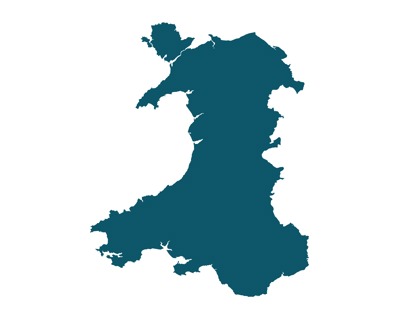
Wales is praised at being a leader within climate action and is driving decarbonisation and nature conservation. It has a legally binding target of being Net Zero by 2050 and a target to protect 30% of its land, freshwater and sea by 2030.
In 2024 Wales was ranked the second-best nation at recycling municipal waste in a report published by Eunomia Research and Consulting and Reloop. Furthermore, the UK is the first major economy in the world to have cut their carbon emissions by half (2022), and the Climate Change Committee has highlighted that since 2015 the average annual rate of emissions reduction has been higher in Wales than any other country in the UK and the UK as a whole. Therefore, if you consider the UK’s position in global emissions reduction and then Wales’s position in the UK, Wales is ultimately having a great impact on global reductions. Wales has also successfully reached both its carbon budgets and have reduced their emissions by 38% since 1990.

In fact, over 140 countries have announced or are considering Net Zero targets. This accounts for 90% of global emissions, which can have instrumental benefits on creating a more sustainable future for the world. Therefore, it is vital that we continue to play our part.
Furthermore, countries that are large emitters are often perceived to be doing nothing, with China being a prime example. China has in fact undergone a huge energy reform and is the largest producer of renewable energy in the world, producing 31% of global renewable energy generation. Additionally, through strict government action it has dramatically reduced its air pollution. This has been done by shutting down old, heavily polluting factories and putting stricter rules on power plants to reduce emissions and to make them more efficient. They have implemented traffic controls including vehicle restrictions, increased EV bus and lorry fleets and increased emphasis on active trave (walking, wheeling and cycling). They have also launched massive tree growing campaigns and improved urban green areas. Furthermore, we cannot simply criticise China’s pollution when our own appetite for cheap goods is a major drive of their emissions.
Therefore, it may seem like that other countries aren’t doing anything to mitigate the impacts of climate change or enhance the natural environment, when they are in fact making huge reforms. This teaches us that it is vital that we conduct our own research as we may only be hearing one narrative.

Our natural habitats absorb carbon dioxide through the process of photosynthesis. This can help reduce the impact of climate change as there is less carbon dioxide in the atmosphere which is one of the main gases that contributes to the greenhouse effect, which is responsible for trapping heat and driving global warming. Our natural habitats also help with climate adaptation; trees help with urban cooling as they provide shade and release water vapor, which reduces the heat island effect. They also help with flood prevention as roots absorb excess water, plants and trees slow down water runoff and prevent soil erosion by binding the soil. Trees also help with air quality as they filter pollutants and release oxygen back into the atmosphere. It’s more than trees though – coastal salt marshes can significantly mitigate climate change by capturing and storing atmospheric carbon in their plants and sediments. Coastal habitats also reduce the impacts of storms by dissipating the impact of storm waves. Grasslands can also mitigate climate change primarily by acting as massive carbon sinks, storing vast amounts of carbon below ground in their extensive root systems and soils. Therefore, natural habitats help maintain a healthy carbon cycle that is vital to life on Earth.
More from Climate Action Carmarthenshire